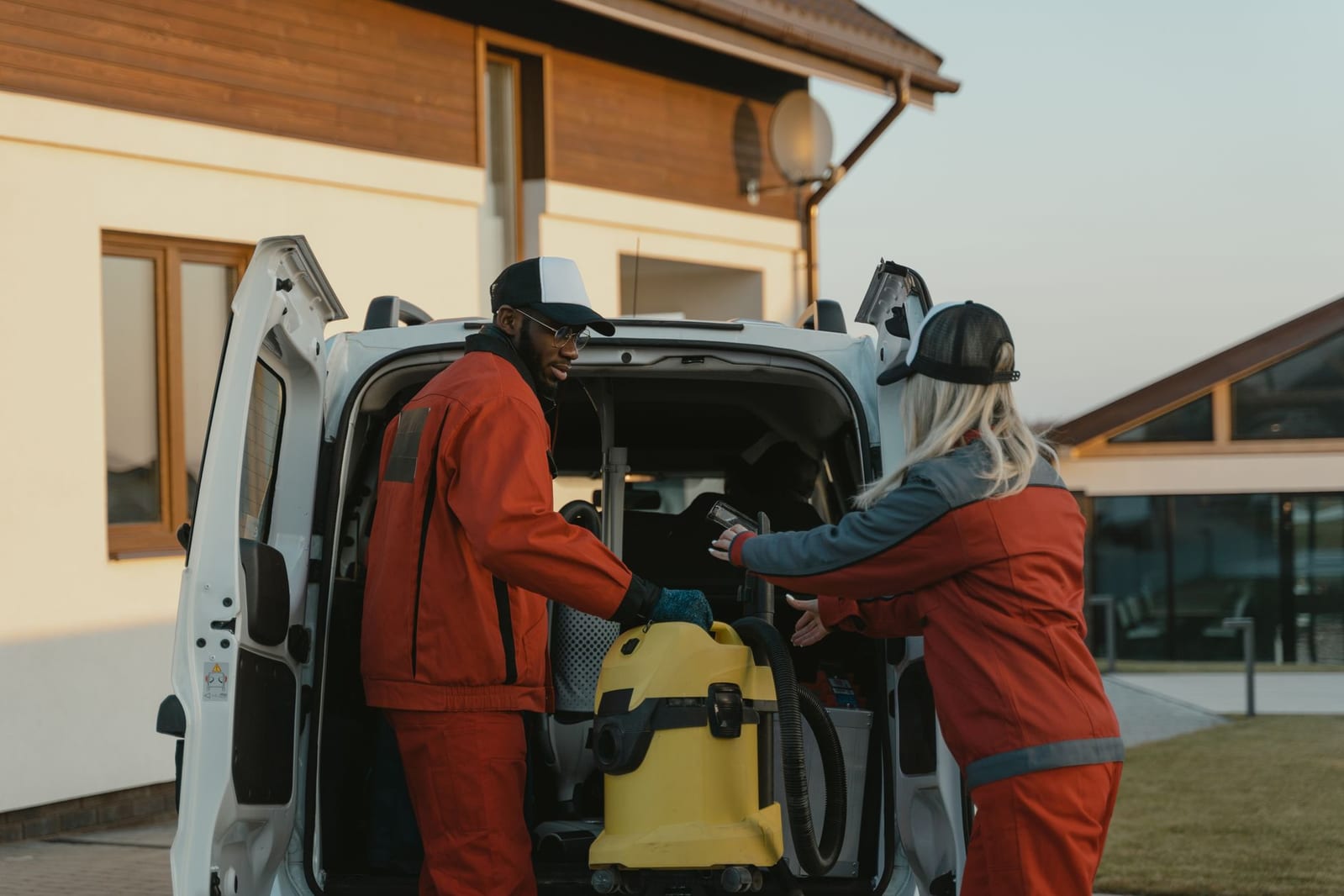
Contents restoration in Manhattan: what to know
Manhattan is the densest borough in the country, and its housing stock runs from the early-1900s tenements of the Lower East Side, East Village and Chinatown to grand pre-war apartment buildings and co-ops on the Upper East and Upper West Sides. Thin walls, shared stairwells, original plumbing risers and deep baseboard gaps give German cockroaches and mice constant routes between the island's tightly packed units.
Travel density makes Manhattan a bed bug hotspot: hotels, short-term rentals, frequent sublets and a steady stream of international visitors mean even spotless luxury co-ops face introductions through luggage and second-hand furniture, not poor hygiene. In multi-unit buildings a single untreated apartment rarely ends the problem, because bed bugs move along shared walls and risers.
The borough's restaurant and transit density — Times Square, Penn Station, Midtown food corridors and the subway beneath them — sustains one of the city's largest rat populations, feeding rodent pressure out into adjacent residential blocks, while green edges along Central Park, Riverside Park and the Hudson add seasonal ant and occasional-invader pressure to lower-floor and garden apartments.
Signs you need contents restoration
- A water or fire loss has affected furniture, documents, electronics or other belongings
- You're unsure whether specific items (a water-exposed document, a smoke-affected electronic device) are salvageable
- Structural repair work needs the space cleared of contents before it can proceed
- You want an inventory record of affected items for an insurance claim
- Sentimental or hard-to-replace items were exposed to water, smoke or fire damage
How we treat contents restoration in Manhattan
After a water or fire loss, the building and its contents are two separate restoration problems, even though they're part of the same overall claim. Structural drying and fire/smoke remediation deal with the walls, floors and framing; contents restoration deals with what's actually inside — furniture, clothing, documents, electronics, keepsakes — and each of those categories responds to damage and cleaning differently, which is why treating 'everything in the house' as one undifferentiated cleanup step usually means avoidable losses.
The process starts with a pack-out: everything affected is inventoried (often photographed item by item) and moved off-site to a dedicated cleaning facility, both so structural drying and repair work can proceed unobstructed and so contents get cleaning appropriate to the material rather than a rushed on-site wipe-down. Furniture gets cleaned and, where smoke or water has affected upholstery or wood finish, restored using furniture-specific methods. Documents — often the items people are most anxious about — can frequently be dried and stabilised even after water exposure if they're handled promptly, rather than assumed to be a total loss.
Local landmarks & coverage
We serve all of Manhattan and the surrounding Manhattan area — including Central Park, Times Square, Empire State Building, Wall Street, Grand Central Terminal, the High Line — across ZIP codes 10001, 10002, 10009, 10011, 10014, 10016, 10019, 10025, 10027, 10128.